
Fostering a dog is an excellent way to help out a needy four-footer, and it means you’ll get to spend some time with a great pooch while doing so.
After all, every furry friend deserves a place that makes them feel loved while waiting for a forever home.
Caring for these canines is incredibly rewarding, though foster pooch parents should take a couple of things into consideration before committing to a canine. We’ll explain everything you need to know so that you can become a dog foster below!
How to Become a Dog Foster: Key Takeaways
- The exact manner in which you’ll become a dog foster will differ based on the organization implementing the program. Ultimately, you’ll simply need to identify a shelter or rescue in need of dog fosters, and complete the requirements they impose.
- Dog fosters will be responsible for most aspects of the dog’s care. This includes everything from feeding the pooch to beginning basic obedience training to providing him with any veterinary care he requires.
- Fostering a dog can be an incredibly rewarding experience, which all dog lovers should at least consider. Fostering isn’t right for everyone, but those who take this path and are comfortable with the often bittersweet conclusion almost always love the experience — as do the dogs.
Why Are Dog Fosters Needed?

Becoming a dog foster is one of the most impactful things you can do for your canine community. Fosters are in need for a variety of reasons including:
- Shelter space is tight. Dog fosters help free up room at rescue organizations — including both “kill” and “no-kill” shelters — so that the facility can take on more furry friends in need. Keeping the shelter below capacity also makes for a more peaceful environment for the four-footers living at the shelter.
- Some dogs need hospice care. In the event that a furry friend is on his last leg, a dog foster can provide a loving, caring environment for them to spend the rest of their final days. No dog deserves to leave this world in a stressful, loud shelter environment.
- Puppies need a place to develop until they’re old enough to adopt. Foster homes help puppies grow in a more relaxed environment. Puppies are like little sponges, and spending their first weeks and months in a stressful shelter environment can have a tremendously undesirable impact on their stress levels and disposition as adult dogs. Fostering a litter of puppies can mean setting up a whole batch of dogs for success! This is also a great place for young, energetic pups to learn some basic manners and social skills so that they can find their forever homes faster.
- Shy dogs need quiet environments to help them blossom. Shy or timid dogs need quiet, peaceful environments to help grow into their best selves. Dog fosters help get the canines out of chaotic kennel environments and provide these pooches with the patience and care needed to help overcome some of these tendencies.
- Some dogs need extra care during recovery. Dogs recovering from sickness or injury are often placed with a foster to keep the shelter as hygienic as possible and assist in the pooch’s speedy recovery.
- The rescue group needs more information about a dog’s behavior and demeanor in a home setting. Foster homes can be an excellent opportunity for rescue groups to further understand a dog’s behavior and habits. This helps dogs get placed with families that are a good match for their individual needs.
- Sometimes, shelters become temporarily unable to care for dogs. If a shelter is affected by a natural disaster or anything else that would make it unfit for pups in its current state, foster parents can step in to keep dogs safe.
If nothing else, foster homes give dogs a better place to stay. Dogs in foster homes receive more individualized care than their shelter-dwelling counterparts, thereby increasing the chances that they’ll find a forever family.
Fostering a Dog: The Good and the Bad

Like any other experience, fostering a furry friend comes with its own set of challenges and perks. These pros and cons are key to take into consideration before committing to a foster dog.
PROS:
- You get to spend time with a deserving dog. The best part of fostering is that you get to spend time with a new furry friend. As a foster, you’ll be an integral part of helping these deserving dogs blossom into their best selves which is fulfilling enough on its own.
- You’ll help support the shelter. Shelters and rescue groups rely on the generosity of animal fosters to help dogs in need and free up space in the facility. Becoming a foster is a great way to support your local community.
- Helping a pooch find a forever home is incredibly rewarding. Though bittersweet, there’s nothing better than handing off your foster dog to his forever family. Fostering gives you a unique opportunity to make a pivotal impact on a furry friend.
- Foster dogs can keep your pooch company. Foster dogs are great for keeping your resident canine company. They’re also a great option for anyone who isn’t quite ready for the lifetime commitment of a furry friend.
CONS:
- Saying goodbye to foster dogs can be emotionally taxing. Dog foster parents have the incredibly difficult job of saying goodbye to their four-legged friends. While this can be sad, it’s certainly for the greater good and best interest for the dog. You can rest easy knowing you helped a furry pal find a wonderful home. Plus, it’s not unheard of for foster parents to watch previous foster dogs when the pet’s forever family goes out of town, so it doesn’t need to be goodbye forever!
- It’s not always easy. Dogs in shelters and rescue groups come with their own unique backgrounds and stories that may lead to behavioral challenges. Dog fosters need to be patient, accepting, and unwavering in their devotion to their guests. You should be prepared to cater your skills and care to the needs of each individual dog.
How Do You Become a Dog Foster? What Steps Do You Take?

The basic path to becoming a dog foster entails finding an organization in need of help and then working through the steps they require prospective foster parents to complete.
The exact requirements imposed on dog fosters will vary from one organization to the next, but some of the most common things you’ll need to do include:
- Fill out paperwork documenting things like your living situation, experience with dogs, and potentially even your financial status.
- Complete some basic dog-care instructional courses to ensure you know how to properly care for the foster four-footer.
- Attend workshops or orientation seminars outlining the organization’s foster program.
You may also be required to volunteer with the organization a bit to demonstrate your commitment level and give the staff a chance to see you interact with dogs.
But ultimately, you’ll just have to contact the specific organization you want to work with and inquire about their requirements.
What Does a Dog Foster Do? What Are the Responsibilities of a Dog Foster?
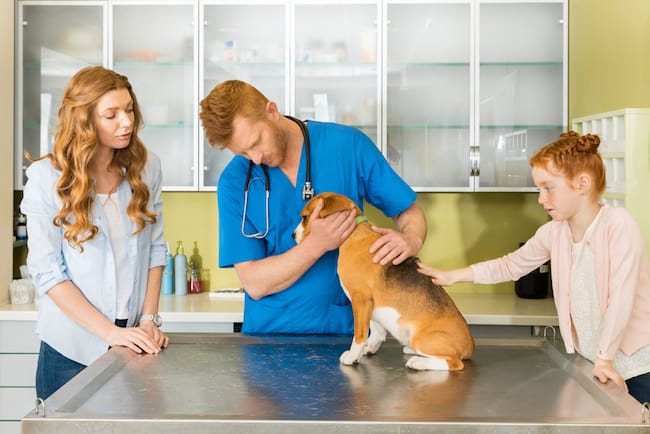
Let’s back up a minute: What exactly do dog fosters do? What kinds of responsibilities are they expected to fulfill?
Essentially, dog foster parents are responsible for caring for a canine companion for a predetermined length of time or until the dog is adopted.
This also includes taking responsibility for trips to the veterinarian and doing whatever is necessary to give the dog a high quality of life and prepare Fido for his forever home.
Foster parents play a huge role in helping pups blossom into their best selves, and pet foster homes help open up much-needed room in shelters, saving more lives as a result.
In addition to basic caretaking responsibilities, dog fosters will be responsible for the following activities:
- Helping your mutt learn his manners. Whether it’s at-home training or taking Fido to some obedience classes, you’ll be helping your pooch master basic commands, etiquette, and potentially potty training. While the level of training you implement is up to you, many shelters will even cover the cost of training programs, allowing you to learn a lot about dog training while helping out a dog in need.
- Reporting back to the shelter. You’ll need to keep your guest of honor’s shelter informed with regular updates. Foster homes give shelters the opportunity to learn more about a dog’s behavior in a home setting, so you’ll want to provide as detailed information as possible on your pooch’s experiences. A foster parent’s valuable feedback will help ensure that the dog gets matched with an appropriate home that’s a perfect fit!
- Fosters help find forever homes. Arguably the most important part of a foster pet parent’s job is helping dogs find their forever family. This includes transporting the pooch to and from adoption events and speaking with potential adopters to determine if they’re a match for your foster furry friend. We have a full guide on how to get your foster dog adopted with more tips on creating flyers and promoting your foster pup!
What Do You Need Before Fostering a Dog?

When you foster a dog, you’re potentially responsible for all basic supplies and care for your guest of honor. Here are a couple things you’ll want to stock up on before welcoming your furry friend into your home:
- Food — You’ll want to make sure that you have food for your four-footer ready to go. Inquire with the shelter about your pup’s preferred diet and take note of any allergies and sensitivities. If at all possible, you’ll want to stick to the same food the pooch is currently eating at the shelter to avoid tummy trouble.
- Crate and Bedding — Your furry friend will need a cozy place to retreat to after a long day of playing and watching the neighborhood squirrels. Find a dog bed for Fido and make sure he has a reliable crate that is large enough for him to sit upright and turn around fully while inside.
- Leash — Pick out a sturdy dog leash so that you can safely take your canine companion on walks and other adventures. You might want to consider getting a long leash as well since these make valuable training tools and help give pups a sense of freedom.
- Toys — Play is essential for four-footers to stay mentally and physically fit. That being said, you’ll want to pick out plenty of toys for your furry friend to play with. Make sure you select a couple of different kinds of toys so that your foster dog can enjoy a variety of play styles.
- Grooming Supplies — You’ll want to have basic dog grooming tools and supplies including a brush, toothpaste, shampoo and conditioner, and nail clippers. You may also need hair clippers in some cases, but many dogs never need their hair cut. Puppies aren’t able to visit a professional grooming facility until they’ve completed their first set of shots, so you’ll need to bathe your best buddy from home.
- Medication — If your foster dog requires medication, make sure you know the source of the prescription and how to administer the medicine. It’s a good idea to ask one of the shelter workers to demonstrate administering the medication before heading home so that you can fully understand the process.
- First Aid Kit — Having a fur-friendly first aid kit is essential for keeping your foster dog safe. You can absolutely assemble one yourself, but honestly, they aren’t very expensive and it’s easier to just buy one.
What You Need to Know Before Fostering a Dog
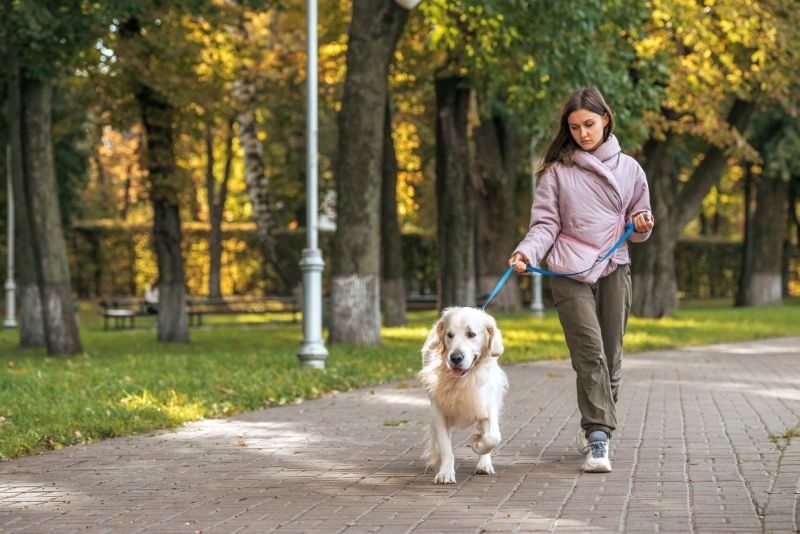
Before opening up your heart and home to one of these deserving dogs, it’s important that you brush up on your dog-care chops.
Here are a couple of things you should know before fostering a furry friend.
- Understand basic canine care. Taking care of a dog is a huge responsibility, even if it’s for a temporary amount of time. Understand that you’ll be on deck for much more than just making sure your furry friend is fed and has a safe place to rest every night. You’ll need to devote time to playing with your pooch, grooming him, engaging in training sessions, building his social skills, and going on plenty of walks. Dogs depend on us to provide guidance, care, and plenty of love so make sure you’re well prepared before signing on.
- Know essential first-aid. When it comes to a pooch that isn’t feeling his best, it’s vital to defer to your veterinarian. However, it’s essential that you know foundational first aid to keep your canine safe in the event of an emergency until you can hand him off to a more experienced pet professional. Look up a local course in your area to master the basics.
- Make sure you’ve picked out a veterinarian and an animal hospital. If you’re responsible for your foster dog’s medical care, locate a veterinarian ahead of time. Even if your shelter provides on-site care, you’ll need to locate an emergency animal hospital just in case your dog needs immediate care after-hours.
- Make sure you understand the specific fostering guidelines. Read through the fostering terms and conditions to make sure you understand the full scope of your responsibilities. Be sure to reach out to the shelter or rescue group with any questions throughout the application process.
Would You Make a Good Dog Foster?
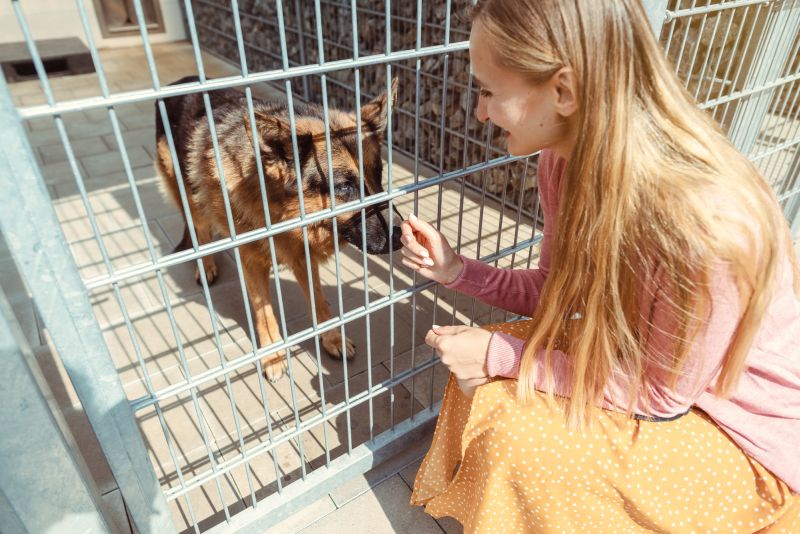
Are you still debating whether or not you’re ready to help out one of these deserving dogs? Here is a quick checklist to see if you’re prepared to make an amazing pooch foster.
- Do you have an appropriate living situation? Some shelters will request that foster parents have a fenced-in yard as one of the eligibility requirements. In general, you’ll need to make sure you have plenty of space for your four-legged friend and access to nearby green space for daily walks and exercise.
- Do you have enough time to attend to a furry friend? Foster dogs are big time commitments, especially if you don’t already have a canine companion at home. Make sure your schedule allows for at least two to three walks a day, as well as some time for play and training. Dogs — particularly foster dogs who’re still adjusting — shouldn’t be left unattended for more than a few hours at a time.
- Are you emotionally capable? It’s impossible not to deeply bond with your foster dog which can make saying goodbye a tricky process. Not everyone is emotionally equipped to say farewell to their four-legged companion, but most fosters find that it gets easier over time. Remember that your service helps the greater good of all shelter dogs.
- Do you have other pets at home? You’ll have to be extra careful embarking on the dog-foster journey if you have other pets at home. Make sure that your furry friends are comfortable with other canines before adding a new dog to your home. In some cases, your pets may be required to meet your foster dog pending application approval to ensure it’s a good fit.
- Do you have any upcoming vacations planned? Most shelters will ask for a minimum foster commitment of two weeks, but it can be more for other rescues. Returning a stressed-out dog back to the shelter isn’t ideal, so don’t foster unless you plan on committing to house a pet at least for a month or so. Many larger shelters also have Facebook groups where shelter advocates can take turns volunteering to watch foster pet parents’ dogs for weekends here and there when they need to get away, so there may be some options out there for you.
- Do you feel confident in handling dogs of various sizes? In many shelters, large dogs are the more difficult pups to adopt out and are many times those in most need of a shelter break. Consider if you’re comfortable with larger canines or would rather stick to the under 20 lb crowd. You may be able to find smaller dogs to foster too, but larger canines are often the most in need!
- Do you have any dog training or handling experience? While it’s not essential, any basic experience with dogs or training dogs can go a long way towards helping a foster dog – especially those who may have had a rough start.
Great dog fosters treat their furry friends as if they were their own.
Every dog is different, but fosters are willing to adapt their expression of care to meet the individual needs of each dog. If you are dedicated to doing whatever you can to help a dog find his forever home and feel loved in the interim, you’re likely a perfect fit for fostering.
How Do You Find a Foster Dog Program?
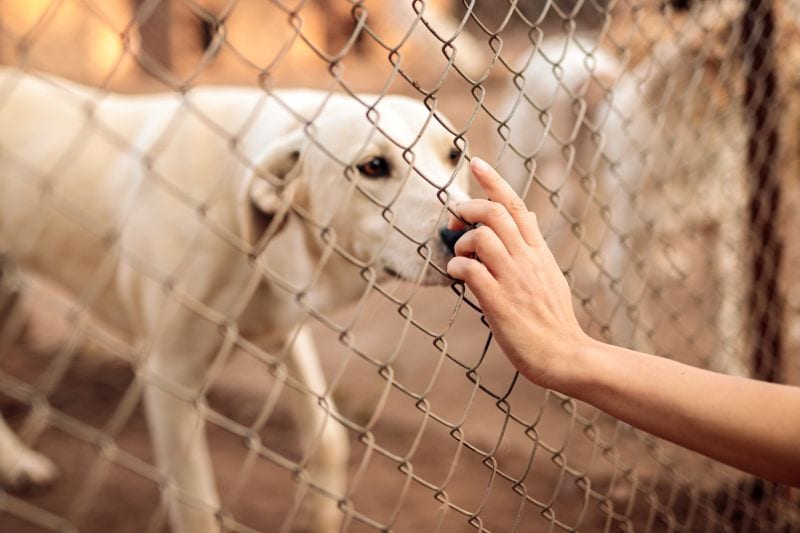
Choosing to become a dog foster is a great way to give back to your community and cross paths with some amazing four-footers.
And if you’re searching for a foster program, one of the best ways to find a shelter or foster program is via the internet.
You can check any of several high-quality pet adoption sites to locate shelters and organizations in your area. You might even find an application portal on individual organization websites.
Just make sure you read through and understand the conditions surrounding the foster program. Every program has a different set of guidelines, so it’s imperative that you understand them upfront.
You can also drive out to your local shelter or give them a call to inquire about foster opportunities. Chances are, if they don’t have a foster program themselves, they’ll be able to point you in the right direction. You can also inquire about fostering with friends and family members who have gone through the process themselves.
Fostering Dogs with Behavioral Issues
First-time fosters will usually be matched with a pooch that doesn’t struggle with behavioral issues.
But as you become a more experienced foster, you may be matched with dogs who need your help overcoming a certain set of challenges. Here are some of the most common issues dog fosters may encounter.
- Reactivity — Foster dogs can sometimes come with difficult pasts (such as being raised in a puppy mill) that cause them to be reactive towards certain situations or triggers, such as other dogs or strangers. Reactive dogs may bark, growl, hide, bare teeth, or lunge when presented with a trigger.
- Separation Anxiety — Some dogs may experience a degree of separation anxiety. Dogs with SA may become destructive, bark excessively, or try to escape when left alone.
- Resource Guarding — Resource guarding is when a dog is excessively protective about something viewed as valuable. The dog may bark, stare, growl, lunge, or even bite when others are too close to the perceived resource. For example, a dog might be protective of certain food or toys.
- House-Training — Some dogs and puppies will need to learn basic housetraining during their time with their fosters. This process can be challenging and time-consuming for some puppers.
- Basic Boundaries — You’ll find that some shelter or rescue dogs simply don’t know their size. For instance, you may be responsible for helping a 70-pound dog understand it’s not safe to jump on people while greeting. You can help your foster dog get adopted by helping him learn his mutt manners.
***
Serving as a dog foster is a great way to give back to your community and spend some time with some amazing four-footers. Enjoy the process of helping these deserving dogs find their forever homes.
Have you ever fostered a dog? What’s the best part of the experience? We’d love to hear all about it in the comments below!